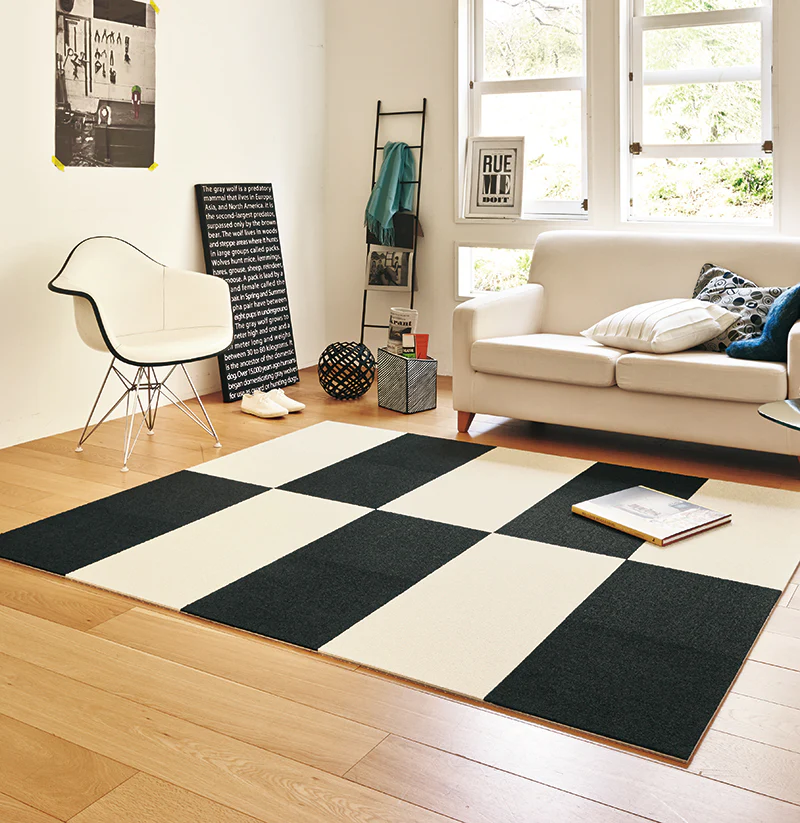
Short answer: vacuum TOLI Fabric Floor routinely, handle a spill as soon as practical, and use a well-wrung cloth for broader surface care. If one tile needs more, lift it and hand-wash gently with water or a little diluted neutral detergent. Rinse completely, towel away moisture, shade-dry, and reinstall only when fully dry. Do not machine wash or tumble dry.
Choose the cleaning method by the size of the problem
More water is not automatically better. Dust at the pile base calls for a vacuum. A fresh drink calls for blotting. General dullness calls for a damp wipe. Hand washing is useful when dirt has reached more of one removable square or the floor beneath it also needs attention.
| Situation | Start with | Escalate to |
|---|---|---|
| Loose dust, hair, crumbs | Vacuum | Adhesive lint tape for fibers the vacuum misses |
| Fresh liquid spill | Blot with a clean white absorbent cloth | Manufacturer-compatible spot care |
| Overall surface looks dull | Well-wrung water-damp cloth | Diluted neutral detergent, then remove residue |
| One tile is deeply soiled | Lift and hand-wash | Replace the square if permanently damaged |
1. Vacuum with the pile, edges, and traffic lanes in mind
TOLI describes routine vacuuming as the basis of Fabric Floor care. Its maintenance manual advises moving the vacuum against the lay of the pile so the fibers rise and dirt can be removed closer to the base. Give extra passes to entrances, desk-chair routes, sofa edges, pet beds, and the seams where crumbs collect.
There is no useful universal number of vacuuming days for every home. A quiet bedroom and an entry-adjacent family area do not soil at the same rate. Build the routine around visible debris, pet shedding, shoe habits, and traffic rather than waiting for the entire rug to change color.
2. Scoop solids and blot liquids instead of scrubbing
Remove food or other semi-solid material gently with a spoon before adding moisture. For liquid, use a clean white absorbent cloth or unprinted white paper towel and blot. The Carpet and Rug Institute's general spot-care guidance recommends working from the outside toward the center and warns that scrubbing can fray or change carpet texture.
Pretest any cleaner on a spare tile or inconspicuous area, follow its label, and use only a small amount. A stain remover, bleach, mold remover, or other strong chemical is not interchangeable with neutral detergent; TOLI warns that some stain-removal and bleaching products can deform the pile. When the spill is unusual, identify the substance before choosing a treatment.
3. Use a monthly damp wipe for general dullness
TOLI's care manual recommends monthly wiping when the overall surface appears lightly soiled. Start with a cloth dampened with water and wrung firmly. If that does not solve the problem, use a small amount of neutral household or laundry detergent diluted in water. Work in several directions and keep changing to a clean section of cloth.
After detergent, wipe again with a clean cloth wrung in warm water to remove residue, then finish with a dry clean cloth. Avoid soaking the joined floor in place. The goal is controlled surface care, not flooding the seams or the base floor.
4. Hand-wash one removable square when it needs deeper care
- Lift the affected tile.Remove loose material first. Note its position or photograph the layout so the direction and color pattern are easy to restore.
- Wash gently.Use water, or water with a very small amount of diluted neutral detergent. TOLI suggests a sponge or soft brush and cautions against excessive rubbing that can damage the pile.
- Rinse thoroughly.Remove all detergent with clean water. TOLI notes that incomplete rinsing can reduce the backing's grip and increase the chance of sliding.
- Remove excess moisture.Shake off water carefully and press with a towel. Do not use a washing-machine spin cycle.
- Shade-dry completely.Dry in a ventilated shaded place, lying flat or standing as straight as possible to protect the shape. Reinstall only when fully dry.
Hand-washable does not mean machine-washable. TOLI says not to use a washing machine, machine spin cycle, tumble dryer, or dry cleaning. These can deform the tile and may also damage the appliance.
5. Clean the hard floor before the dry tile goes back
Vacuum or wipe away debris from the exposed base floor while the tile is removed. Use a cleaner made for that underlying material: a wood-floor product for wood, or a vinyl-floor product for vinyl. TOLI notes that a floor can sometimes feel slippery after a Fabric Floor tile is lifted; its FAQ recommends cleaning with the appropriate diluted neutral floor cleaner and then removing the residue.
Do not reinstall a damp tile over a damp floor. Check that both surfaces are clean and dry, then place the square without trapping pile in the seam. If the tile no longer lies flat, has a damaged edge, or remains distorted after drying, replace it rather than forcing it into the layout.
What changes between AK27 and AK35?
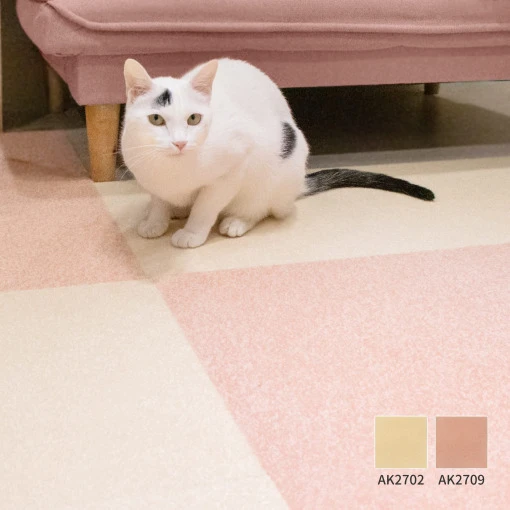
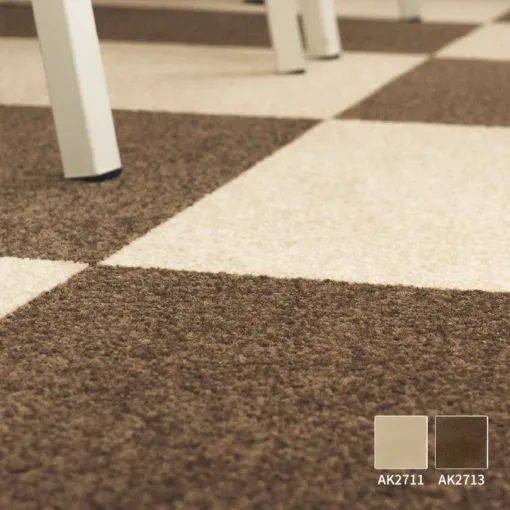
Both current collections carry TOLI's hand-washable mark. AK27 Canvas Fine uses cut pile and TOLI lists stain-resistant and deodorizing treatments, making it the stronger first choice for feeding zones, active pet routes, and frequent everyday mess. AK35 Ripple Palette Neo uses a multi-level loop pile and does not list those two treatments, but it offers a warm 16-color palette for quieter living-room and bedroom rugs.
Those differences affect product selection, not the basic washing rule. Treat both as structured carpet tiles: clean gently, rinse thoroughly, preserve the shape during drying, and keep aggressive machinery and heat out of the process.
Plan one or two spares before a spill happens
A spare square fills the gap while a washed tile dries and gives you a replacement if one piece is permanently marked. Store spares flat, dry, and labeled with the collection and color code. Keep them from the same order where possible, because a new tile placed among heavily used pieces can initially look different in pile direction, surface wear, or color.
Use the carpet tile designer to count the exact rug, then mention spares in the invoice request. For a concentrated pet or food zone, compare AK27 and AK35 for dogs and cats. For the shorter removal and washing sequence, keep the hand-washable carpet tile guide with your order notes.